Christmas Gold Fairy Swing Clipart Review
As someone who has spent years turning digital files into tangible, stitched treasures for clients and craft fairs, I know that the difference between a good design and a great finished product often comes down to one thing: how well the artwork translates from screen to fabric. Today, I am putting Christmas Gold Fairy Swing Clipart through its paces. This piece is listed under the Freebies category, which immediately raises my expectations for value while keeping a critical eye on quality. Is this just another pretty image, or does it have the structural integrity needed for serious machine embroidery?
The First Impression: A Whimsical Holiday Mood
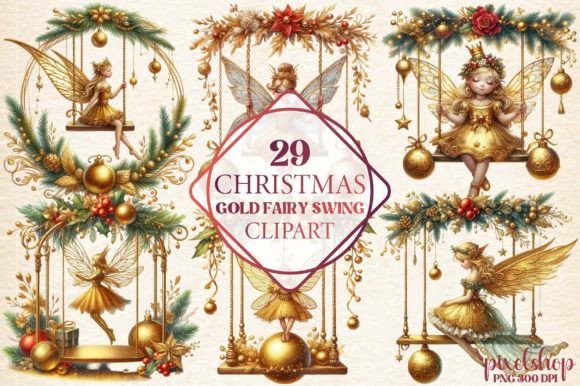
When I first opened the file for Christmas Gold Fairy Swing Clipart, the mood was instantly established. It isn't just a generic snowflake or a standard reindeer; it carries a specific narrative of magic and delicate movement. The composition suggests a figure in mid-swing, which creates a dynamic sense of motion even in a static image. For an embroidery designer, this is crucial because we are dealing with thread, not pixels. The "Gold" element implies a metallic sheen, likely requiring a specific thread choice or a satin stitch technique to capture that shimmer.
The visual personality feels perfect for the holiday season without being cluttered. It strikes a balance between festive cheer and elegant simplicity. In a market saturated with busy, multi-colored designs, there is a strong appeal to something that relies on shape and implied texture rather than overwhelming detail. This makes it a versatile asset for anyone looking to create holiday embroidery that feels high-end and boutique rather than mass-produced.
Real-World Application: From Screen to Stitch
To truly understand the potential of this design, I imagined it applied to a few specific projects. Let's say I am preparing a custom embroidered tote bag for a local holiday market. The Christmas Gold Fairy Swing Clipart would sit beautifully centered on the canvas front. Because the design features a swinging motion, it draws the eye naturally. When stitched onto a sturdy cotton tote, the gold threads would catch the light as customers move around the booth, adding a subtle sparkle that elevates the perceived value of the item.
I also considered using this for a baby item, perhaps a onesie or a small nursery pillow. The softness of the fairy theme combined with the warmth of the gold tones makes it ideal for baby embroidery. However, the placement matters here. On a curved surface like a cap or a sweatshirt chest area, the swing motif might need careful digitizing adjustments to ensure the lines don't distort too much. If the design includes fine details like wings or facial features, they must be robust enough to hold their shape on stretchy knit fabrics.
For the Etsy seller or small shop owner, this design offers a fantastic opportunity for personalization. Imagine offering a service where customers can choose their own background color for the fairy, or perhaps add a name below the swing. This transforms a simple embroidery project into a personalized gift that feels unique and thoughtful. The design acts as a strong anchor for a larger collection of seasonal goods, from aprons to kitchen towels.
Navigating Technical Challenges and Limitations
While the concept is charming, every machine embroidery design has its limits. I need to be realistic about where Christmas Gold Fairy Swing Clipart might struggle. One of the primary concerns is stitch density. If the original artist packed too many stitches into a small area to simulate the gold texture, the fabric could become stiff or puckered, especially on thin materials. This is a common pitfall in freebie designs that haven't been optimized for production.
I would advise extreme caution when attempting to use this design on dark fabrics. Without a proper underlay or a specific thread palette, the gold might get lost against black or navy backgrounds. Furthermore, if you are working with a small hoop size, any intricate corners or tiny lettering (if present) might get cut off or look muddy after stitching. Textured fabrics like fleece or heavy denim can also hide the finer details of the swing mechanism, making the design look flat rather than dimensional.
Another critical factor is the stability of the fabric. Stretchy materials require a stabilizer that can handle the tension of the embroidery process. If the stitch density is too high for a lightweight jersey or a sheer curtain, the fabric may warp. For products that need frequent washing, such as kitchen towels or sweatshirt embroidery, the durability of the thread choice becomes paramount. A poorly executed satin stitch on the edges of the fairy's dress could lead to fraying over time, damaging the reputation of your handmade brand.
Design Notes for the Professional Crafter
Before you commit to running this design on your customer's order, there are several practical steps you must take. First and foremost, always test the embroidery file on scrap fabric that matches your final project material. This allows you to see how the thread colors interact with the fabric and whether the hoop size captures all the necessary details without cutting them off.
Review the stitch density carefully. If the design looks overly dense in the preview software, consider simplifying it by reducing the number of fill stitches or converting some areas to a lighter running stitch. This is especially important for commercial embroidery where speed and efficiency matter. You should also inspect the design in black and white mockups to ensure the contrast holds up before committing to expensive metallic threads.
If you plan to sell finished items featuring this design, confirm the licensing terms explicitly. Just because a file is labeled as a Freebies download does not automatically grant commercial rights for selling physical goods. Check the license agreement to see if you need a separate commercial license for small business merchandise. Additionally, verify the file format compatibility with your specific machine to avoid conversion errors that could ruin a batch of apparel decorators work.
Final Thoughts on Visual Appeal and Brand Value
Ultimately, Christmas Gold Fairy Swing Clipart has the potential to be a standout piece in a holiday collection. Its whimsical nature adds a touch of storytelling that customers love, and the gold element provides a premium feel that justifies a higher price point for handmade products. When executed correctly, it enhances brand consistency and builds trust with buyers who appreciate attention to detail.
However, success depends on your execution. By testing thoroughly, choosing the right stabilizers, and understanding the limitations of the design on various fabrics, you can turn this digital asset into a profitable reality. Whether you are creating a single embroidered patch for a jacket or a full line of boutique branding items, this design offers a solid foundation. Treat it with the respect of a professional tool, and it will reward you with beautiful, high-quality results that stand out in a crowded marketplace.