Cute Cat Who Loves Christmas: A Designer’s Review of Festive Illustrations
As a brand designer and content marketer, I spend most of my days dissecting why certain visuals stop the scroll while others fade into the background. When I first encountered the asset Cute Cat Who Loves Christmas, my immediate reaction wasn’t just about its aesthetic appeal, but about its utility in a broader marketing ecosystem. In the crowded landscape of holiday marketing, finding an illustration that balances whimsy with professional polish is rare. This graphic design asset offers a compelling solution for brands looking to inject warmth and personality into their seasonal campaigns without sacrificing visual hierarchy or brand integrity.
First Impressions: Mood, Tone, and Audience Perception
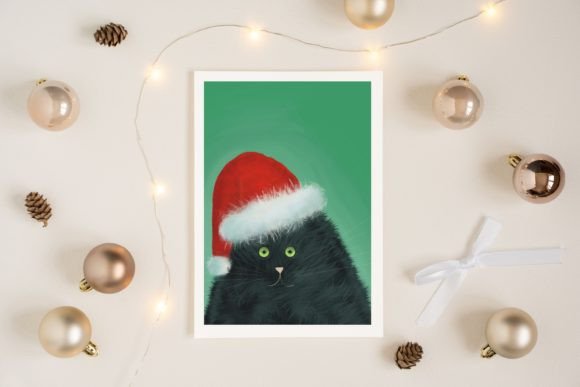
The moment you engage with this illustration, the mood is unmistakably cozy. It evokes the feeling of a quiet winter evening by a fireplace, complete with soft lighting and gentle charm. For brand owners and marketers, this emotional tone is critical. Holiday marketing often struggles to find a balance between festive cheer and corporate professionalism. Cute Cat Who Loves Christmas bridges that gap effectively. It feels suitable for casual branding, handmade product lines, lifestyle content, and editorial graphics, yet it retains enough structure to be integrated into commercial marketing materials.
Audience perception is heavily influenced by these subtle cues. A cute cat motif immediately signals approachability and joy, which can lower the psychological barrier for potential customers. It suggests that the brand behind the image is friendly, trustworthy, and perhaps a bit playful. This is particularly effective for small business branding, where human connection is paramount. However, because the design is rooted in high-quality illustration rather than generic clipart, it avoids looking messy or unprofessional, maintaining a level of sophistication that appeals to discerning consumers.
Real-World Application: From Concept to Campaign
To understand the true value of this asset, let’s look at a real-world scenario. Imagine a small artisanal candle company launching a limited-edition "Winter Whimsy" collection. They need a cohesive set of visuals for their Instagram feed, Pinterest pins, email newsletters, and packaging inserts. The challenge is creating a unified brand identity that feels festive but not cluttered.
This is where Cute Cat Who Loves Christmas shines. As a central creative design element, it can serve as the anchor for the campaign’s visual theme. The illustrator has crafted the character with clear lines and distinct features, making it versatile enough to be scaled down for social media avatars or expanded for hero graphics on website headers. By using this illustration consistently across all touchpoints—from digital ads to printable promotions—the brand creates a memorable visual language. Customers begin to associate that specific cat character with the quality and warmth of the candle brand, strengthening recognition over time.
Furthermore, the asset supports better product presentation. Instead of relying solely on text-heavy announcements, the brand can use the illustration to create emotional connection points. For instance, a Facebook ad featuring the cat holding a tiny gift box can drive higher engagement rates than a standard product shot alone. This demonstrates how a single design asset can improve audience trust and boost overall campaign performance.
Strategic Versatility Across Marketing Channels
The beauty of a well-executed PNG design or SVG design lies in its adaptability. Cute Cat Who Loves Christmas is not limited to one format; it can be woven into various aspects of your content marketing strategy.
- Social Media Graphics: Use the illustration as a decorative element in Canva templates for Instagram posts or Pinterest pins. Its charm adds visual interest without overwhelming the text, ensuring clearer visual hierarchy.
- Packaging Design: For physical products, this illustration works beautifully on product labels, stickers, or as a decorative accent on shipping boxes. It elevates the unboxing experience, turning a simple transaction into a delightful moment.
- Digital Assets: Incorporate the image into email banners, lead magnets, or media kits. It helps break up dense information layouts and makes digital communications feel more personal and less robotic.
- Merchandise and Printables: If you are a digital seller, this illustration can be part of a larger design bundle. It fits perfectly within modern design trends for planners, journals, or children’s books, offering a fresh take on classic holiday themes.
By integrating this asset into your web design and editorial design workflows, you ensure that your brand voice remains consistent whether the customer is viewing a mobile screen or a printed flyer. This consistency is key to professional branding.
Where the Asset Excels
This illustration performs best when used as a focal point or a supporting character in narrative-driven designs. It is ideal for hero graphics that announce a new product launch, campaign headers that set the tone for a holiday sale, or branded templates that require a touch of personality. It also serves as excellent decorative brand elements in editorial layouts, adding a layer of depth that static geometric shapes cannot achieve.
When to Exercise Caution
While versatile, no single asset is a silver bullet. There are contexts where Cute Cat Who Loves Christmas might not be the right fit. For formal corporate branding or industries requiring strict seriousness, such as legal or financial services, the whimsical nature of the cat may undermine authority. Similarly, in dense information layouts or text-heavy ads, the illustration could compete with the main message if not placed carefully. Designers should also be mindful of low-contrast backgrounds; if the asset’s colors do not pop against the backdrop, readability suffers. Additionally, overly minimal brands might find the detailed illustration too busy, preferring simpler line art for their logo design needs.
Practical Brand Designer Notes for Implementation
To get the most out of this illustration, I recommend following a few practical steps during the implementation phase. First, test the asset with your existing brand color palette. Does the cat’s fur harmonize with your primary and secondary colors? Adjusting the hue or saturation slightly can help it blend seamlessly into your visual identity.
Second, check black and white usage. Convert the illustration to grayscale to ensure it still holds its shape and impact. This is crucial for print applications like product labels or event flyers where color printing might be cost-prohibitive. Third, place the asset inside real campaign mockups. Preview it on mobile screens to verify that details remain visible at smaller sizes. Readability in small sizes is a common pitfall that can ruin the user experience on smartphones.
Fourth, compare it against competitor visuals. Ensure that the style does not mimic other popular holiday illustrations too closely, which could dilute your unique brand identity. Fifth, review typography pairing. Test the illustration alongside serif fonts for a classic look, sans serif fonts for modern clarity, script fonts for elegance, handwritten fonts for a personal touch, and display fonts for bold statements. Finding the right typographic balance enhances the overall aesthetic.
Finally, confirm commercial licensing before using it in paid campaigns, client work, or business branding. Understanding the terms of use ensures that your marketing visuals are legally sound and protects your intellectual property rights.
Conclusion
In summary, Cute Cat Who Loves Christmas is more than just a cute picture; it is a strategic tool for content creators, designers, and small business owners. It offers a strong first impression, supports emotional connection, and enhances the professional appearance of your marketing materials. Whether you are refreshing social media visuals, designing packaging, or preparing a digital campaign, this illustration provides the creative spark needed to stand out in a noisy marketplace. By applying thoughtful design principles and testing rigorously, you can leverage this asset to build a cohesive, engaging, and successful holiday brand presence.