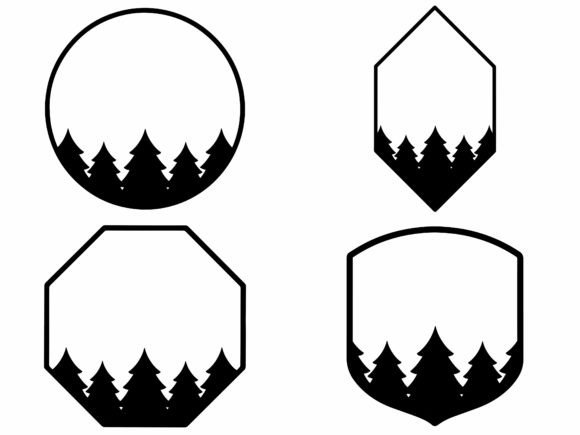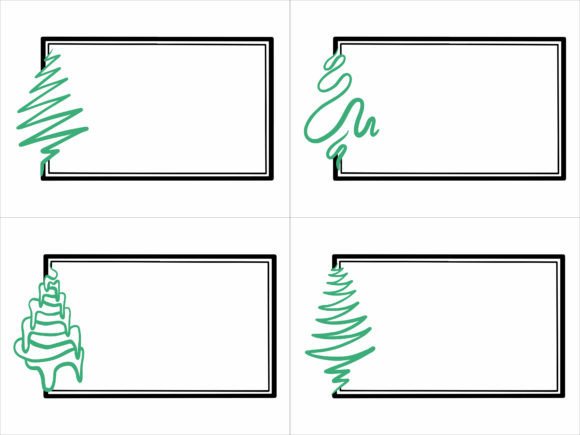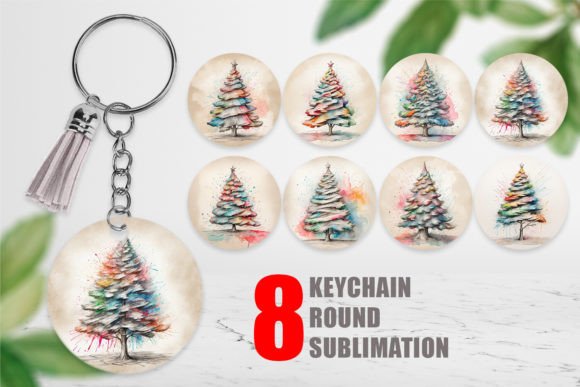
Frame Background Christmas Tree for Illustrations
As a brand designer who has spent years crafting identities for local bakeries, boutique skincare lines, and handmade candle studios, I know that the difference between a generic product and a memorable brand often comes down to one specific detail: the mood set by your visual assets. Recently, I evaluated Frame Background Christmas Tree as a potential core element for a seasonal campaign for a small-batch soap maker in Portland. My goal was not just to find a festive clipart, but to find a graphic design asset that could elevate their entire brand identity during the holiday rush. After testing this illustration across various mockups and layouts, I am ready to share my professional assessment of how it performs in real-world commercial applications.
The First Impression: Mood and Brand Personality
When you first open Frame Background Christmas Tree, the immediate feeling is one of curated warmth. It does not scream "discount bin"; instead, it whispers "boutique experience." The composition suggests a brand personality that is both welcoming and slightly elegant. For a local business owner, this distinction is vital. A heavy-handed, cartoonish tree might work for a toy store, but for a handcrafted food label or a premium home decor shop, you need something that feels organic and thoughtful.
This asset creates a sense of intimacy. It frames the content within it, drawing the eye directly to the center where your logo, product name, or key message would sit. In the context of Illustrations available on creative marketplaces, this piece stands out because it balances decoration with functionality. It feels modern yet rooted in tradition, making it suitable for a wide range of clients from rustic farm-to-table food businesses to feminine skincare brands looking to launch a limited-edition holiday collection.
Real-World Application: From Shelf to Screen
The true test of any design asset is how it translates across different mediums. I tested Frame Background Christmas Tree extensively for a hypothetical coffee shop rebranding project. The versatility here is impressive. As a graphic design asset, it serves multiple roles without losing its integrity.
- Packaging Design: When applied to product labels for jars of honey or bags of coffee, the frame acts as a natural border that separates the text from the background texture. It provides a clear visual hierarchy, ensuring the flavor profile and net weight remain legible while adding a layer of festive sophistication.
- Social Media Graphics: For social media managers, this asset is a goldmine. It can serve as a hero graphic for Instagram stories or a promotional banner for Facebook ads. The frame structure naturally guides the viewer's eye to the call-to-action button or the new product announcement.
- Printable Inserts: Small businesses often rely on thank-you cards included in shipping boxes. Using this illustration allows a handmade seller to create a cohesive unboxing experience. The frame adds a polished touch that makes the customer feel they are receiving a gift, not just a commodity.
- Marketing Visuals: Whether used in a flyer, a price list, or a menu graphic, the asset helps establish a consistent brand identity. It signals to the customer that the business pays attention to detail, which builds trust and encourages repeat purchases.
Where This Asset Shines Best
In my evaluation, Frame Background Christmas Tree excels in scenarios where decoration needs to support, rather than dominate, the message. It is perfect for product mockups where you want to showcase a bottle or box against a thematic backdrop. It works beautifully as a decorative brand element on hang tags, allowing the tag to stand out on a rack of merchandise. Furthermore, for seasonal packaging campaigns, this asset provides a cohesive look that ties together diverse products under a single holiday theme.
For boutique owners and florists, using this illustration in editorial design for newsletters or website banners creates an inviting atmosphere. It transforms a standard digital product into a visually rich experience. The frame structure is particularly effective for creating visual hierarchy, ensuring that the most important information—like a sale date or a new arrival—is the focal point.
Strategic Caution: Where to Use Carefully
However, a seasoned designer knows that no asset is a universal solution. There are specific contexts where Frame Background Christmas Tree should be used with caution. If you are designing for a formal corporate branding project or a luxury minimalist brand that relies on stark negative space, this illustration might introduce too much visual noise.
It is also crucial to consider scale. On very small labels, such as those on essential oil bottles or tiny jewelry tags, the intricate details of the frame may become muddy when printed. Additionally, if your layout is already crowded with ingredient lists, legal disclaimers, or nutritional information, adding this frame could compete with the text and reduce readability. In these cases, a simpler SVG design or a solid color block might be more appropriate to maintain clarity and compliance.
Practical Designer Notes for Implementation
Before you commit to using Frame Background Christmas Tree in a commercial design project, there are several technical steps every professional should take. First, always test it on real packaging mockups. A file that looks crisp on your monitor might lose definition when scaled up for a large poster or down for a sticker.
I recommend checking the black and white usage to ensure the contrast remains strong enough for print. Preview the asset on small labels to verify that the lines do not blur. It is also wise to test it with your existing brand colors; sometimes a warm-toned frame clashes with cool-toned typography. Compare your final design with competitor packaging to ensure your visual hierarchy stands out rather than blending in.
If the asset is provided as a PNG design, inspect the transparency edges for jagged lines. If it is an SVG design, check the vector editability to see if you can adjust the stroke width or color to match your brand guidelines perfectly. Finally, confirm your commercial license. Ensure that the terms allow for use in physical product sales, such as printing on labels for goods you sell, and not just for digital marketing visuals.
When pairing this illustration with typography, experiment with different font styles. A serif font paired with the frame can evoke a classic, heritage feel, while a sans serif font might modernize the look. A script font can add a personal, handwritten touch, perfect for handmade businesses. Testing these combinations will help you determine the best fit for your specific brand voice.
Final Thoughts on Commercial Value
Ultimately, Frame Background Christmas Tree is more than just a festive clipart; it is a strategic tool for small business branding. By providing a structured, aesthetically pleasing container for your content, it helps create stronger first impressions and better product recognition. For local business owners and creative entrepreneurs, investing in high-quality Illustrations like this one is an investment in professional branding.
Whether you are launching a new line of soaps, updating your bakery's menu, or running a seasonal ad campaign, this asset offers the polish needed to elevate your presentation. It supports customer trust by signaling quality and care. When used thoughtfully, it transforms ordinary promotional materials into memorable brand experiences that resonate with your audience long after the holidays are over.