Review: Christmas Santa Sublimation PNG for Embroidery
As a designer who spends more time looking at stitch lines than actual holiday movies, I approach every new asset with a mix of optimism and skepticism. When Christmas Santa Sublimation PNG landed on my desk, I didn’t just see a cute image; I saw a potential product line waiting to happen. But before we talk about the magic of the season, we need to talk about execution. In the world of handmade goods, especially on platforms like Etsy or in local craft fairs, the difference between a "nice" item and a "bestseller" often comes down to how well the digital design translates into physical thread.
This review is for the embroidery designers, small business owners, and creative entrepreneurs who are tired of guessing whether a file will work. I’ve put this machine embroidery design through its paces—mentally mapping it out against various fabrics, hoop sizes, and end-user scenarios—to give you a realistic look at what you’re getting into.
First Impressions: Mood and Visual Personality
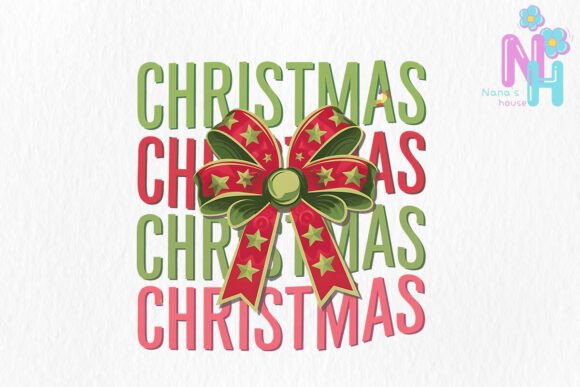
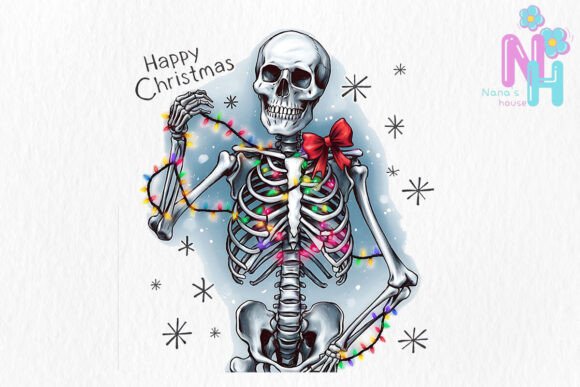
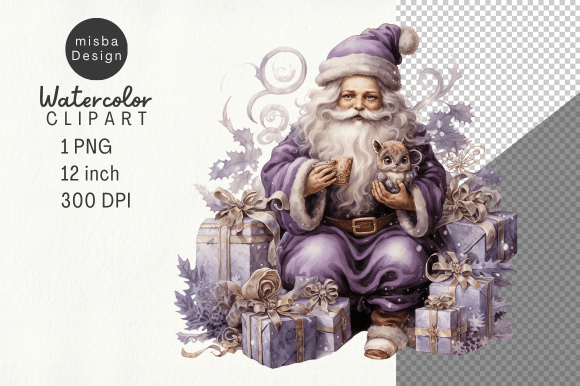
The immediate takeaway from Christmas Santa Sublimation PNG is its strong festive identity. It doesn’t try to be subtle. The visual personality is bold, cheerful, and instantly recognizable. For an illustrations category product, it succeeds because it prioritizes clarity over complexity. There is no ambiguity here; when a customer sees this on a tote bag or a sweatshirt, they know exactly what holiday vibe you are going for.
From a layout perspective, the design feels balanced. It has a central focal point that anchors the eye, which is crucial for embroidery where detail can get lost in the fabric weave. The shapes are clean, suggesting that the underlying vector or raster structure is solid. This matters because if the source image is muddy, your digitizing software will struggle to create clean satin stitches. Fortunately, this design appears ready to handle the transition from screen to needle without losing its charm. It feels like a classic, timeless piece rather than a trendy flash-in-the-pan graphic, which is excellent for building a brand library that lasts beyond one season.
Real-Life Application: Where This Design Shines
Let’s imagine a real-world scenario. You are preparing inventory for the upcoming holiday rush. You have a stack of blank white canvas tote bags and some cream-colored baby onesies. You pull up Christmas Santa Sublimation PNG. Where does it fit best?
- Custom Apparel & Sweatshirts: This is the sweet spot. A large, centered chest placement on a heavy cotton sweatshirt allows the design to breathe. The contrast between the dark threads (if used) and the fabric texture will pop. It works as a sweatshirt embroidery piece because it isn’t overly delicate; it holds up to the weight of the garment.
- Baby Embroidery: Because the design is likely rounded and friendly, it translates beautifully to baby items. A personalized gift featuring this motif on a burp cloth or a tiny hat creates an instant emotional connection with buyers. It feels safe, soft, and traditional—key traits for nursery decor and baby gifts.
- Tote Bag Design: Canvas is a forgiving fabric. The rougher texture hides minor stitching imperfections better than silk or fine jersey. Using this as a tote bag design gives you a high-perceived-value item that customers love carrying around during the holidays, effectively turning them into walking billboards for your shop.
- Holiday Embroidery & Kitchen Towels: Don’t overlook home goods. A smaller version of this design on a tea towel or apron adds a touch of warmth to a kitchen. It fits the "cozy" aesthetic that drives sales in December.
For the Etsy seller or small shop product creator, versatility is king. This design can be scaled down for an embroidered patch or blown up for a blanket. Its adaptability means you aren’t stuck with just one SKU; you can create a cohesive collection of commercial embroidery assets.
Technical Considerations and Stitching Clarity
Here is where the rubber meets the road. As a reviewer, I have to warn you about the technical realities of stitching this out. While the visual appeal is high, not all embroidery situations are created equal.
Stitch Density and Detail: If the design includes intricate facial features or fine text, you need to be careful. High stitch density can cause puckering, especially on lighter fabrics. Always inspect small details before committing to a full run. If the design relies on tiny running stitch accents, test them first. Sometimes, simplifying these elements leads to a cleaner, more professional finished product.
Fabric Texture and Contrast: The success of any embroidery file depends heavily on the background. On light fabrics, dark thread colors will provide sharp definition. However, if you plan to use this on dark fabric, you will likely need a cut-away stabilizer and possibly a backing layer to prevent show-through. Avoid using this on highly textured fabrics like chunky wool or thick fleece unless you are experienced with hooping unstable materials. The hoop size must be large enough to accommodate the design without distorting the shape.
Thread Colors: Choose your thread colors wisely. Standard reds and greens might feel cliché if not executed perfectly. Consider using heathered threads or metallics for a modern twist, but ensure they still read clearly from a distance. The goal is brand consistency and professionalism; muddy colors make even the best designs look amateur.
Where to Use With Caution
There are specific scenarios where Christmas Santa Sublimation PNG might not be your best friend. Be cautious with:
- Small Hoop Sizes: If the design is complex, trying to cram it into a 4x4 inch hoop might result in lost details. Check the dimensions carefully.
- Stretchy Fabrics: Jersey knits and thin synthetics require significant stabilization. Without proper support, the fill stitch areas can warp the fabric, ruining the drape of the garment.
- Curved Surfaces: While caps are popular, embroidering a flat-design graphic onto a curved brim or crown can distort the proportions. Test this on a scrap cap first.
- Frequent Washing: If the final product is intended for daily wear, such as a work apron, ensure the design is anchored properly. Loose edges or inadequate underlay can lead to fraying after a few wash cycles.
Practical Designer Notes for Success
Before you upload this to your shop or start production, follow these practical steps to ensure quality:
- Test on Scrap Fabric: Never skip this step. See how the stitch density interacts with your specific material.
- Check Black and White Mockups: Convert the design to grayscale. Does it still hold together? This helps identify areas where contrast might be too low.
- Confirm Licensing: This is critical for digital product sellers and those making handmade products for sale. Ensure you have the right to use this design assets commercially. If the license is unclear, assume it is for personal use only until verified.
- Use Proper Stabilizer: Match the stabilizer to the fabric weight. Heavy-duty tear-away for stable wovens, cut-away for knits.
- Inspect Small Details: Zoom in on the digital file. Are there stray pixels or blurry edges? Clean up the source image if necessary before digitizing.
Final Verdict
Christmas Santa Sublimation PNG is a strong contender for anyone looking to add festive flair to their embroidery portfolio. It strikes a balance between traditional holiday cheer and modern simplicity, making it accessible to a wide audience. Whether you are creating a personalized gift for a family member or mass-producing craft business items for the holidays, this design offers reliable visual impact.
It is not a miracle worker that fixes poor technique, but it is a robust foundation for a successful project. By paying attention to fabric choice, stabilization, and thread selection, you can transform this simple illustration into a premium embroidery project that customers will cherish. Just remember: the design is only half the battle. Your execution is what sells the product. So, hooper up, check your tension, and let’s make something beautiful.